

The Best B&Bs and Hostels: From Seoul to Yogyakarta

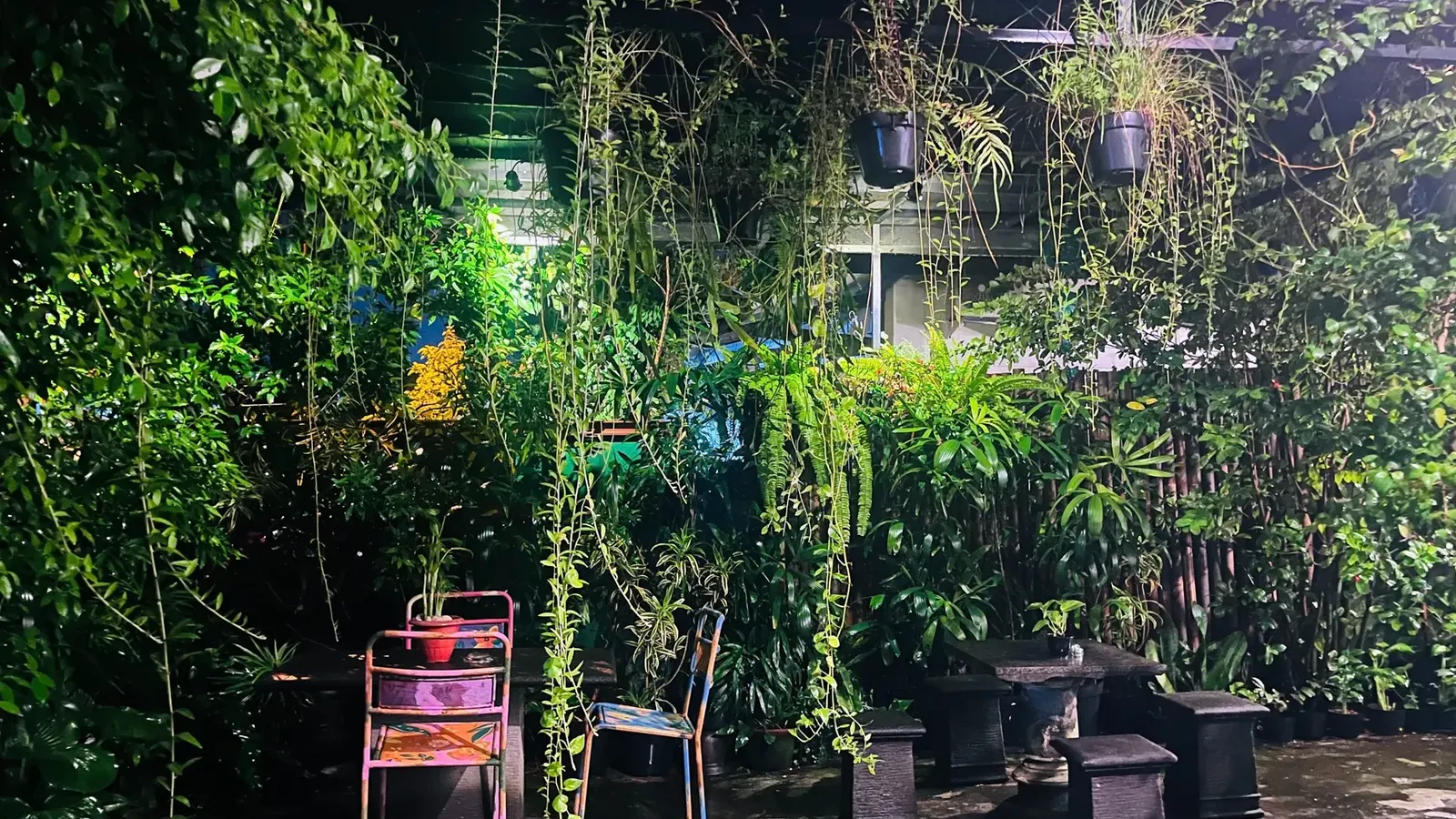
Hi everyone, it’s been a while! With the year-end holidays approaching, it’s that time again when we’re all busy booking hotels.
I often tell people that booking an Airbnb abroad can be quite an adventure. Sometimes you get addresses that even GPS can’t find, or interior decor that looks nothing like the photos. There are times when you arrive late due to flight delays only to find you can’t get in because the host is already asleep, or hosts who are so nitpicky about cleanliness that they keep your deposit.
However, the surprises found amidst uncertainty often sweep away any frustration. In my experience, a homestay is like a bridge, connecting travelers to the community, the people, the local lifestyle, and the social norms of a place.
If I’m traveling with a group, Airbnb is always one of my top choices. But for long-term solo travel, hostels are a fantastic alternative.
On one hand, hostels are the most economical choice for long trips. Plus, the casual chats in shared dorms are the fastest way to gather the travel tips I need.
That said, everyone has different schedules in a hostel—some check in late at night or leave in the early hours. I’m not a great sleeper and get easily disturbed by small noises (especially when falling asleep or towards dawn). Because of this, I always make sure to stay in a hotel for a few days during long trips to recharge.
Here are the B&Bs and hostels I’ve stayed in over the past year and highly recommend:
Seoul: A Rooftop Surprise in Changshin-dong
My trip to Seoul was planned in a bit of a rush. I managed to snag a last-minute booking on Airbnb called “Exclusive Retreat in Seoul.” It looked close to the main travel routes and had good reviews, so I booked it hastily.
The address was in Changshin-dong, near Dongdaemun. It’s an old textile village, and the overall neighborhood felt a bit more down-to-earth, which was evident from the building quality and street cleanliness.
At that point, the host sent a video navigation guide. I was shocked by its length! Slopes, stairs, narrow alleys… on the way, I encountered tipsy salarymen, elderly folks chatting loudly, and couples on dates. Hundreds of K-drama scenes flashed through my mind.

After 20 minutes, I reached the halfway point of the hill. To my delight, it was a “rooftop room” (oktap-bang) that I had always wanted to experience. Compared to the traditional Hanoks you can find even in Yanbian, I felt this type of accommodation better represented the “folded” reality of a metropolis like Seoul.
The host, who traveled the world after graduating university, returned to Seoul to focus on renovating rooftop rooms. The room had that mint-green “Instagrammable” style common in K-dramas. He left a hand-drawn map with recommendations for niche attractions and local eateries.
Tip
When I pulled back the curtains, there was another surprise: a distant view of N Seoul Tower. Just then, the theme song from Crash Landing on You started playing on the speakers.
Kyoto: A Century-Old Machiya Experience
Finding suitable accommodation in Kyoto during the maple leaf season is nearly impossible. I lucked out with a guesthouse run by Taiwanese owners called Guest House Bokuyado. After some research, I found out they started in Taiwan and have another branch in Tainan.
Located about a 10-15 minute walk from Kyoto Station, this guesthouse is a renovated century-old machiya (traditional townhouse). The wooden structure and tatami rooms have been beautifully preserved. In the common area on the first floor, books and board games are scattered across a tatami table, which opens onto a small Japanese courtyard (tsuboniwa).

The whole house was filled with a woody incense scent—the kind of smell you’d imagine in an old man’s house in a Japanese drama. It perfectly matched my ideal vision of a Japanese home. The price was also incredibly reasonable: only about 250 RMB per person even during peak season. I was surprised to find they only accepted cash. After rummaging through my pockets and placing all my coins on the small tray, the person opposite quickly replied, “Arigato, thank you.”
I later learned that using a tray to give and receive money is a standard part of Japanese payment etiquette.
The Taiwanese owner finishes work at 9 PM, and after that, it’s a self-sufficient, dormitory-style life. I had read that traditional Japanese houses could be noisy. While the tatami rooms are close together, I wasn’t disturbed at all during the night. However, in late November, the cold definitely seeped through the floorboards.
Yogyakarta: Warm Hospitality at Snooze
In my journey across Southeast Asia, Snooze was undoubtedly the most precious hostel I stayed at. Located in an orange Javanese-style cottage next to the Sultan’s Palace, human warmth fills every room.
I arrived at the hostel right at the hottest part of noon. The receptionist immediately handed me a glass of iced black tea to quench my thirst. I remembered the warning not to drink iced water casually in Indonesia, but I couldn’t resist the Javanese hospitality. Then, she quickly added another warning: “Please be careful of mosquitoes; it’s also dengue fever season.”
Every morning when I opened my door, the Indonesian chef would say, “I bet you were woken up by the smell of my cooking.” He was so direct that I ended up eating several “western-style” breakfasts there.

My visit coincided with Indonesia’s rainy season. Whenever it rained heavily, I got into the habit of returning to the hostel for a break. If I stayed in the common area, the staff never let me be idle—they’d have me playing with cats, making coffee, or helping me plan my trips to the outskirts. As an introvert, I was a bit apprehensive at first, but their warmth gradually dispelled the unease of solo travel.
The flip side of this simple human touch was the somewhat primitive facilities: no hot water for showers; alcohol restrictions due to the proximity to the Sultan’s Palace (meaning no BINTANG beer); and only a large ceiling fan in the room. Occasionally, the power would trip at night. Just as you were finally drifting off in the heat, the morning call to prayer would begin over the loudspeakers.
Co-founder and and lead writer of Yonder Song, covering city culture and practical route design for independent travelers.


Leave a comment
0