

Journey to Greater Liangshan: Beyond the Poverty Alleviation Train

In recent years, my family has developed a mysterious fascination with Southwest China during the Lunar New Year. Except for the pandemic years, we’ve spent almost every Spring Festival exploring new spots in this region.
Here’s our route history:
- 2018: Yangjiang – Chongzuo – Mile – Dali – Tengchong – Ruili – Kunming – Nanning – Yangjiang
- 2019: Guangzhou – Guiyang – Langzhong – Chengdu – Guangzhou
- 2020: Yangjiang – Mengzi – Xishuangbanna – Pu’er – Jingdong – Kunming – Yangjiang
- 2024: Yangjiang – Guangzhou – Chengdu – Liangshan – Panzhihua – Kunming – Yangjiang
The New Chengdu-Kunming Railway
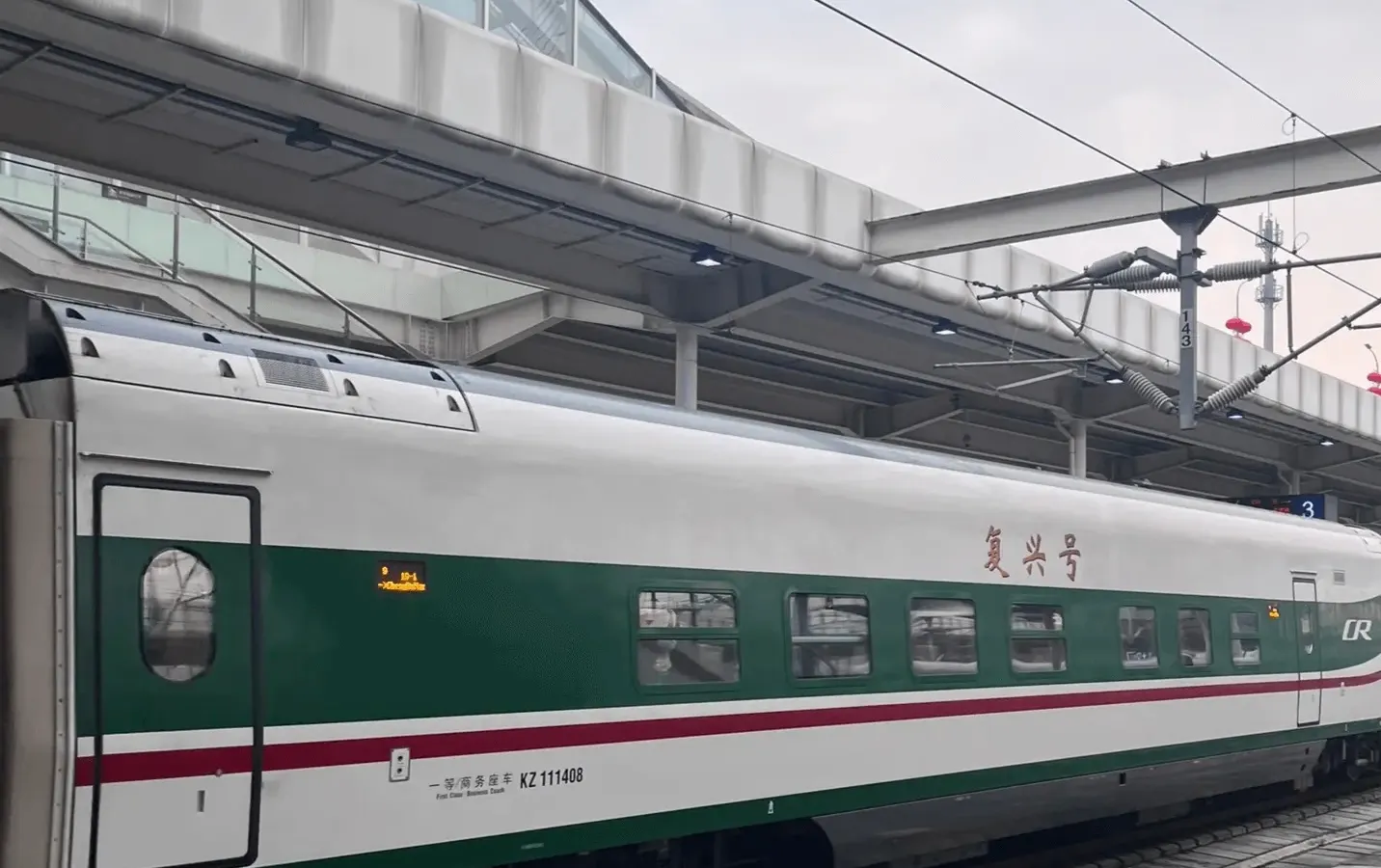
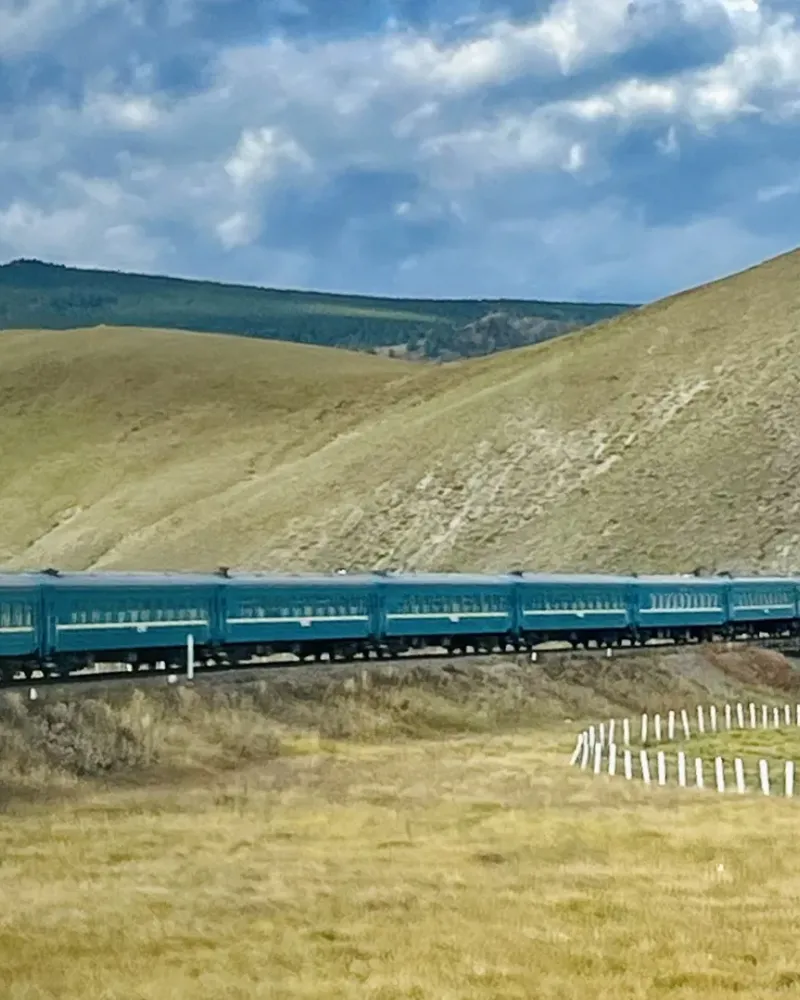
Departing from Chengdu South Station, the “AD Calcium Milk” (a nickname for the distinctive green and white train) runs on the New Chengdu-Kunming Railway. Recently fully opened, this new line is about 200 kilometers shorter than the old one, and speeds have increased from 80 km/h to 160 km/h.
In the past, getting to Greater Liangshan meant either driving the Beijing-Kunming Expressway or flying. Xichang and Panzhihua both have airports, but tickets are notoriously expensive.
The other option was the old Chengdu-Kunming line, which included the famous “slow trains” (like the 5663/5634 from Puxiong to Panzhihua). These trains take over 9 hours to complete the journey and serve as a lifeline for residents in the heart of Liangshan for trade, school, and even transporting livestock.
In My Liangshan Brothers, author Liu Shaohua noted that Puxiong was once “notorious” for gatherings of Yi people near the station. Han Chinese locals often avoided these slow trains, sometimes dismissively calling them “barbarian trains.” Today, these same trains have become a hotspot for “humanistic photography,” as travelers seek out the “poetic” scenes of a world they’ve never seen.
While the new railway offers much more comfortable carriages, the speed still feels a bit leisurely. After about an hour, past Jinkouhe in Leshan, you enter the Liangshan region. Half the journey is spent in tunnels, with occasional glimpses of high mountains and deep canyons that draw gasps of awe from the passengers. Two hours later, you reach Yuexi, and from there, Xichang—the heart of the Anning River Valley—is finally within reach.
Understanding Liangshan
Liangshan is divided into “Greater” and “Lesser” Liangshan.
- Lesser Liangshan: Spans parts of Yunnan (Huaping, Yongsheng, Ninglang) and parts of Sichuan (Leshan, Yibin).
- Greater Liangshan: This is what most people refer to, encompassing Zhaojue, Meigu, Butuo, Xide, Yuexi, and Mianning in Sichuan.
For a long time, Greater Liangshan was associated with the shadow of the drug trade. In recent years, poverty alleviation efforts have transformed the region. The famous “Cliff Village,” for instance, has seen its residents move to new apartments in Zhaojue County, complete with furniture and appliances provided by the government.
However, the region and the Yi people occasionally surface in the news due to the challenges of “modernization,” sometimes facing persistent societal biases. For example, the latest phase of poverty alleviation involves basic lifestyle education, while reports of discrimination against Yi people in other provinces still occur.
Xichang: A City in Transition
On this trip, I only visited Xichang, the capital of Liangshan Prefecture, which doesn’t fully represent the state of the more remote parts of Greater Liangshan. Xichang itself shows no signs of poverty; the roads and squares are exceptionally well-built, clearly benefiting from significant government investment.
Our driver mentioned some local policies that made me, as a former student and current worker, quite envious: seven days off for the Torch Festival, seven days for the Yi New Year, plus all national holidays, and significant bonus points for the college entrance exam (Gaokao).

When we mentioned wanting to eat local barbecue, the driver, speaking in a thick “Yi-accented Mandarin,” said proudly, “We still keep the authentic traditions here; the stuff in Yunnan has already been ‘Han-ized’.”
The Yi cultural presence in Liangshan is indeed strong. Beyond the Yi script on every street and the local cuisine, the traditional “Clan” (Jiazhi) and “Bimo” (priestly) cultures endure. The Clan system is a remnant of the ancient slave society that existed for nearly two thousand years before being abolished after 1949. Even today, in some villages, these historical lineages still influence marriages and social standing.
The Historical Hierarchy of Yi Slave Society:
- Zimo: Royalty/High Priests (1% of the population)
- Nuohuo: “Black Yi” nobility (7% of the population, owned 70% of the land)
- Qunuo: Commoners (about 50%, mostly in Yunnan)
- Ajia: Dependents (33% of the population)
- Xiaxi: Slaves (about 10%)
A simpler way people often distinguish them today is between the “Black Yi” (historically higher status) and “White Yi” (historically lower status). Those in Yunnan, often described as “less authentic,” are frequently descendants of White Yi who migrated from Greater Liangshan. They were often the first to gain formal education and integrate with the Han Chinese.
In the context of such a complex history, perhaps “integration” is a path toward a different kind of freedom.

Co-founder and and lead writer of Yonder Song, covering city culture and practical route design for independent travelers.
Leave a comment
0