

A Day in Singapore: Exploring the Heart of the Lion City

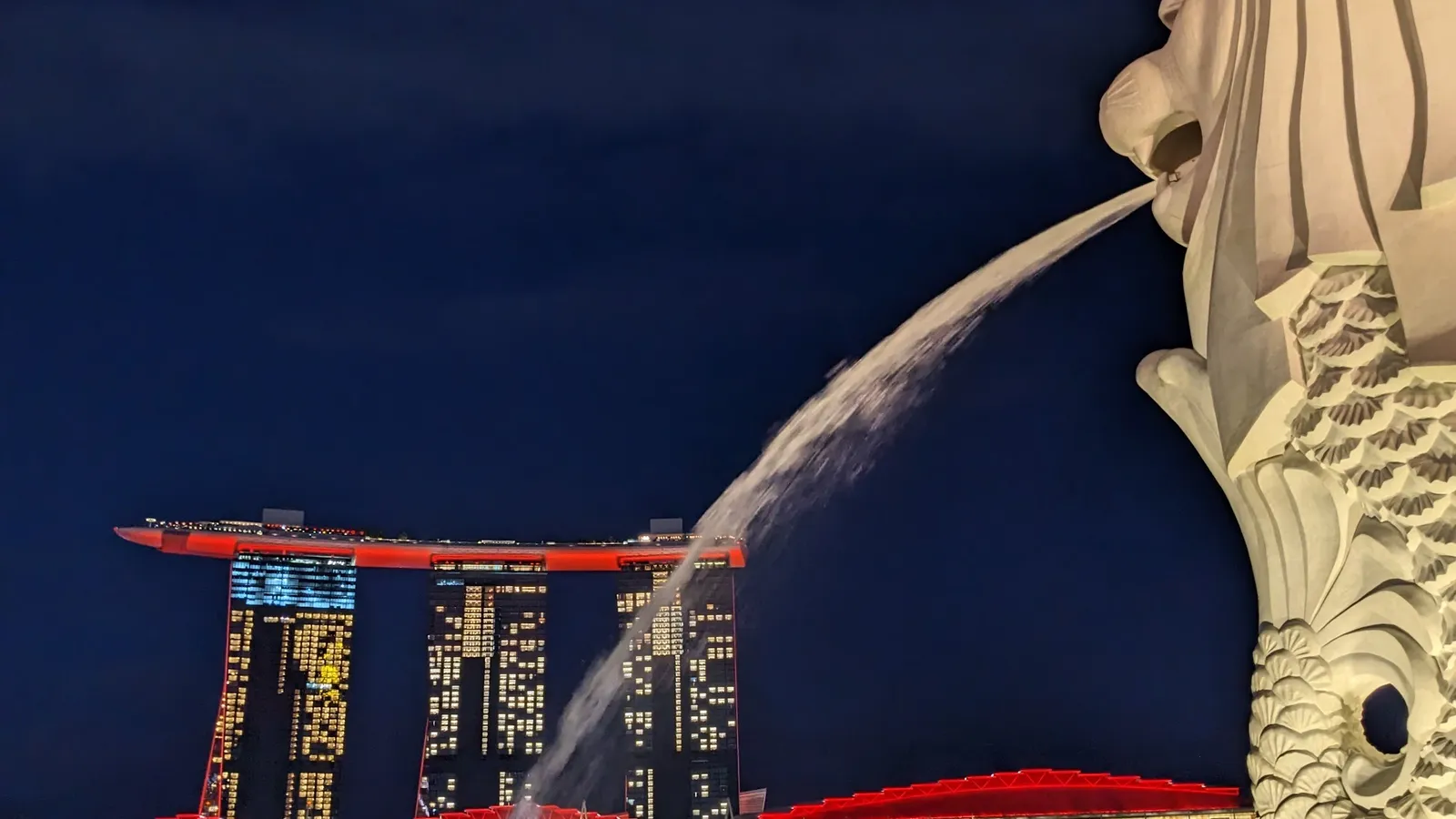
My Southeast Asian journey was initially planned without a stop in Singapore. However, a sudden visa-free policy change led me to reverse my route, starting from the equator on Java Island and heading back up to the Indochinese Peninsula via the Lion City.
I figured that starting in a place like Singapore, with its familiar cultural context, would help soothe the initial anxieties of solo travel and get me into the “backpacker” mindset more quickly. Though I spent less than a day there, here are some fragments of my experience in this unique city-state.
HDB: The Architecture of a Nation
I remember watching the film Long Long Time Ago, which tells the story of a Singaporean family moving from a kampong (rural village) into a government HDB (Housing and Development Board) flat in the 1960s and 70s.
At first, many Singaporeans struggled with this new way of living, missing the warmth and community of the kampongs. Over time, however, HDB estates evolved to include hospitals, markets, and food courts, gradually becoming an ideal living space. Today, about 80% of Singaporeans live in HDBs, which are subsidized by the government for married couples or singles over 35.

Walking through the city, you’ll see large numbers painted on the exterior walls of residential buildings—these are HDB block numbers. Many estates use different color schemes for different blocks. I heard this was a design choice to give residents a sense of “uniqueness” in a landscape of similar structures.
The Pinnacle@Duxton
Emerging from the City Hall MRT, I walked past the Old Hill Street Police Station (famous for its rainbow shutters) toward Chinatown and the Buddha Tooth Relic Temple. Along the way, I encountered the “star student” of Singapore’s HDBs: The Pinnacle@Duxton.

Unlike the cookie-cutter design of older estates, The Pinnacle has the grand presence of a luxury apartment complex. It won numerous design awards and serves as a flagship for government housing. Seven 50-story towers are linked by sky bridges that double as sky gardens. To generate revenue, the management charges visitors 5 SGD to access the bridges, which have now become a popular spot for watching the sunset.
Hawker Centers: The Communal Dining Room
Living in an HDB comes with some interesting restrictions. Two that stood out to me were: no pet cats (though this rule is often debated) and a general discouragement of “heavy cooking.”
Since early HDBs didn’t have advanced ventilation, residents were wary of filling their homes with smoke. More importantly, eating at a local “food court” or Hawker Center is often cheaper and more convenient than buying groceries and cooking yourself.
In the early days of Singapore, street vendors were everywhere. To manage food safety and urban aesthetics, the government moved them into organized centers. Today, there are over 100 hawker centers across the island, managed by the government to ensure hygiene and stable prices.
Maxwell Food Centre
I visited the Maxwell Food Centre near Chinatown. By evening, it was filled with elderly Chinese residents and global tourists who had followed travel guides there.

I went to try the famous Tian Tian Hainanese Chicken Rice, which only accepts cash. After queuing for half an hour in the sweltering heat, it sold out right as I reached the front! Not to worry, though—the brand has expanded, and you can find it in many cities now. I settled for another stall’s 6 SGD chicken rice set. While the rice was as fragrant as I imagined, as a Cantonese person, I felt the chicken lacked “chicken flavor”—it tasted a bit bland.

The environment is clean, and you’re expected to return your tray to a collection point. However, the ceiling fans are no match for the equatorial heat! For a more diverse flavor profile, you can head to Lau Pa Sat, where the options lean more toward Malay and Indian cuisine.
A “Fine” City
“I went broke in Singapore”—that’s been a trending topic recently. Singapore’s reputation as a “Fine City” (due to its many fines) is well-known globally, so much so that local souvenir shops sell T-shirts and magnets poking fun at it.

As a tourist on a one-day city walk, three rules stuck in my mind:
- Don’t connect to private Wi-Fi without permission.
- No drinking water on the MRT.
- No looking down at your phone while crossing the street.
While rules 1 and 3 are mostly about self-discipline, the sheer number of “Prohibited” signs everywhere makes the city feel incredibly orderly, if a bit rigid. As noted in Finding the Lion City, Singapore’s efficiency is remarkable, but it’s not exactly a place for the rebellious or the adventurous.
My One-Day Itinerary
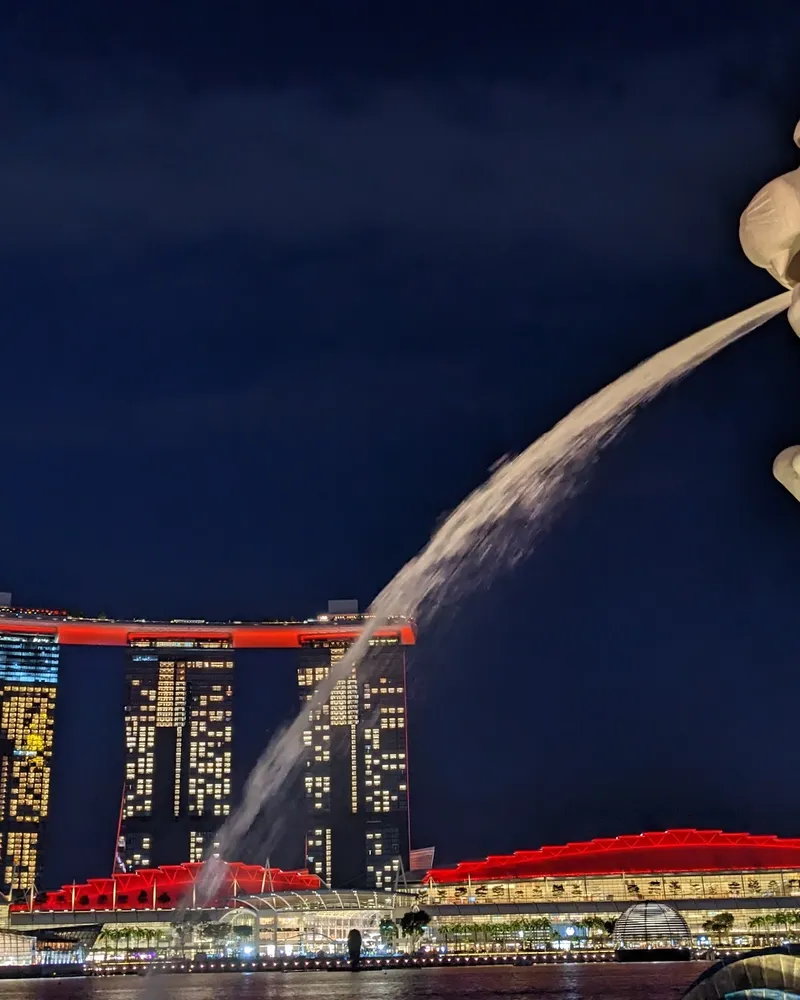
If you have a day in Singapore, here’s the route I followed:
Co-founder and and lead writer of Yonder Song, covering city culture and practical route design for independent travelers.

Leave a comment
0